High-efficiency driving saves fuel
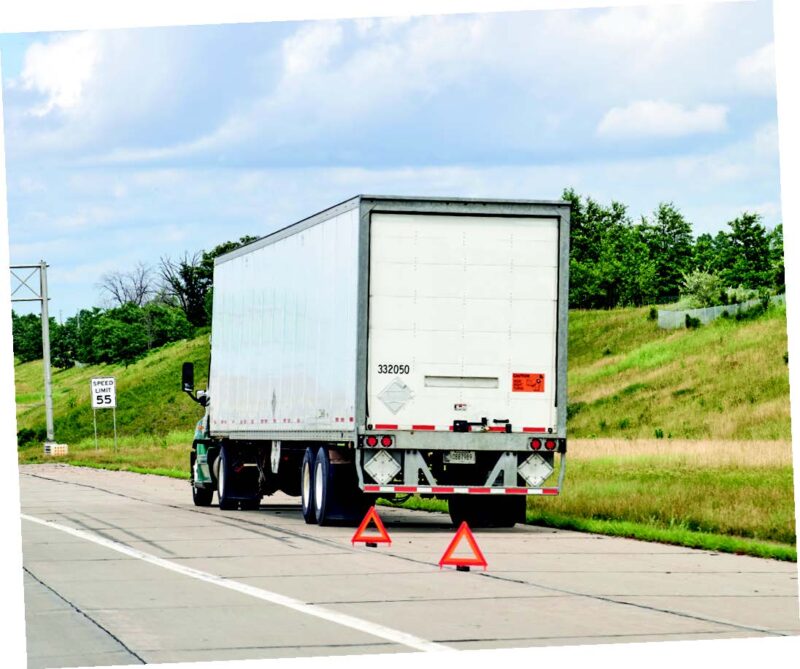
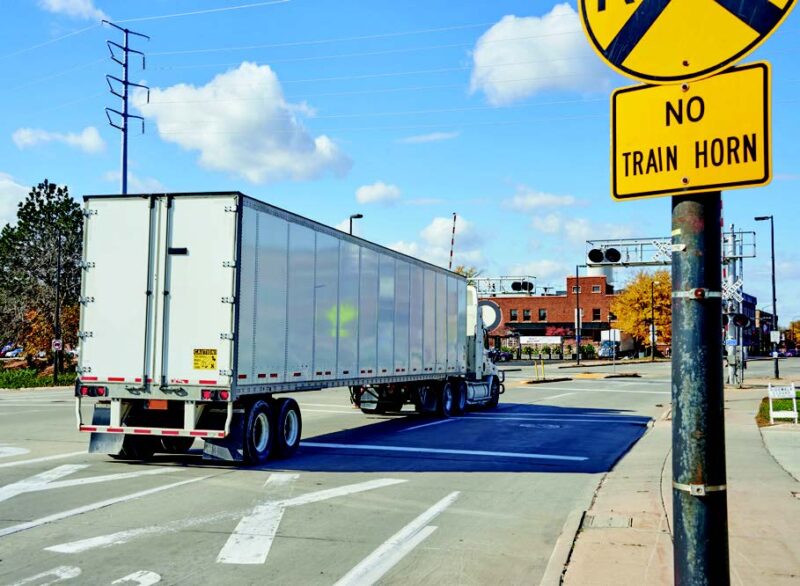
With the volatility of fuel prices, getting the most miles per gallon out of your vehicles is more important than ever. As a carrier, you should encourage drivers to adjust how they drive, how much their vehicle idles, and how well they maintain their vehicles. Each of these components helps get the best out of a vehicle when it comes to fuel economy.
TIP: Check your company’s policies on fuel efficiency. Some companies have additional requirements specific to their employees.
Fuel improvement strategy
Your drivers have a big impact on how efficiently their truck’s fuel is used. With some helpful tips, they can easily improve fuel mileage across the entire fleet. The main elements to focus on include driving practices, idling, and vehicle maintenance.
Driving practices
- Smooth and steady: Rapid acceleration and braking wastes fuel. The faster the acceleration, the more fuel is burned. Also, every time a driver accelerates, slows, and then reaccelerates, the more fuel gets burned. According to U.S. Department of Energy data, this type of driving can lower mileage by about one-third.
- Speed: Drivers should strive to maintain an even speed by using the vehicle’s cruise control when operating in good weather conditions on open highways and flat terrain. In most cases, maintaining an even speed will save fuel. Drivers should keep in mind that traveling at faster speeds uses more fuel. According to the U.S. Department of Energy, while each vehicle reaches its optimal fuel economy at different speeds or ranges of speeds, mileage usually drops at speeds over 50 miles per hour.
- Progressive shifting: Progressive shifting is the practice of keeping the shifting revolutions per minute (RPMs) low in low gear and increasing the shifting RPMs as you work through the gears. Changing gears at lower RPMs requires less fuel. The higher the RPMs, the more fuel being burned.
- Watch your weight: Additional weight can reduce fuel economy. Drivers should remove unnecessary items that may add weight to the vehicle.
- Trip planning: Often, the most fuel-efficient route is the one with the fewest miles and flattest terrain. Drivers should avoid urban areas during rush hour, mountainous routes when practical, and deadhead and empty miles whenever possible.
- Stops: Encourage drivers to shorten their stops when possible. It’s more fuel efficient to start a warm engine than a cold engine.
Idling
An idling truck engine uses about one gallon of fuel per hour. The EPA estimates that, on average, a long-haul truck idles for 1,800-2,400 hours per year. Using an estimate of $4.00 per gallon for diesel fuel, this adds up to between $7,200 and $9,600 per year per truck.
Some helpful ways to reduce idling include:
- Shutting off the engine when no one is in the vehicle,
- Eliminating idling time when waiting, and
- Keeping engine cool-down time at the end of the day to a minimum.
Currently, just under half of all states have idling laws. Most of these laws limit idling to a short period of time ranging from 3-15 minutes. There are also many municipalities that have their own idling laws.
TIP: Don’t forget to remind your drivers about warm-up and cool-down idling times to keep the engine at peak condition.
Vehicle maintenance
Section 396.3 of the Federal Motor Carrier Safety Regulations (FMCSRs) requires every motor carrier to regularly inspect, repair, and maintain all vehicles in its control.
As well as being a regulatory requirement, routine maintenance can contribute to an overall fuel conservation program. Oil, fuel, and air filters should be changed according to the vehicle manufacturer’s specifications. Dirty filters can decrease fuel efficiency.
Fluid levels should also be checked regularly. Low fluid levels can lead to additional draw on the engine due to additional friction in the components that help reduce fuel mileage. Drivers must also regularly inspect fuel system integrity. Problems in the fuel system must be corrected early, as leaking fuel lowers mileage.
TIP: Close the meeting with a Q&A session to help your drivers understand the material and fill in any gaps they may have missed.
Provided by J.J. Keller & Associates
To view the full monthly newsletter click here: Fuel Management Article – September 2025