April showers bring May roadside inspections
Professional drivers should always be prepared for roadside inspections, especially since they can happen without warning and come with serious consequences if the driver is unprepared. Roadcheck 2026, which will take place May 12–14, is a great time to ensure your drivers are ready all year long.
TIP: If your company has specific inspection requirements or policies, consider distributing and discussing them to refresh drivers’ memories ahead of a potential roadside inspection.
Buckle up for Roadcheck 2026
The Commercial Vehicle Safety Alliance’s (CVSA’s) International Roadcheck is an annual 3-day event across Mexico, the U.S., and Canada. This is the largest commercial motor vehicle (CMV) enforcement program in North America. Inspectors check about 15 trucks and motorcoaches per minute during the 72-hour window, according to the CVSA.
Inspectors will use the North American Standard Out-of-Service Criteria to help identify vehicle- and driver-related out-of-service conditions. Vehicles placed out of service cannot be operated until out-of-service conditions have been corrected.
TIP: Along with these best practices, make sure your drivers know the importance of having access to all the required paperwork and documentation.
Best practices for positive results
There are some general best practices that will help prepare your drivers for International Roadcheck and beyond. Remind your drivers to always:
1. Maintain the vehicle’s condition. Make sure drivers check that the vehicle is in good operating condition by checking the fluids, cooling systems, spark plugs and wires, timing belt, etc. Regularly checking these elements helps keep the vehicle in optimal condition.
2. Keep the vehicle clean. Drivers can demonstrate their attention to detail by keeping the vehicle clean. Inspectors are human and may be impacted by their first impression of the vehicle.
3. Be patient. Inspections take time, but trying to rush an inspector along won’t do your drivers any favors. Remind your drivers to be patient, professional, and polite to inspection officers.
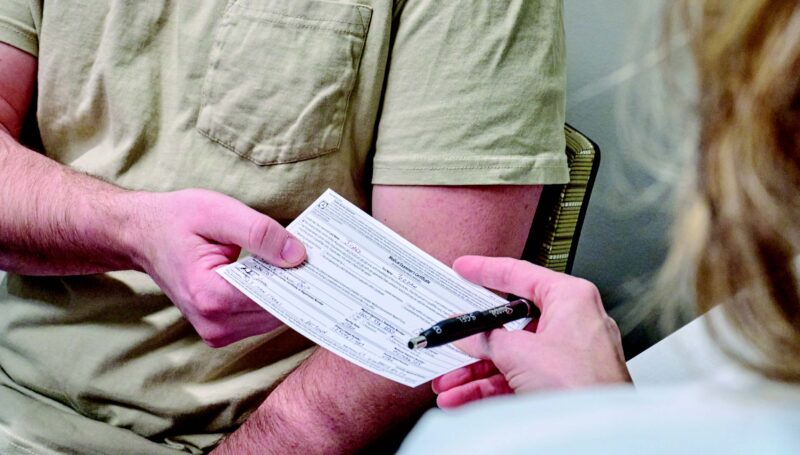
4. Know what will be inspected. Make sure drivers know what paperwork they need to have available for inspectors, as well as how to transfer reports from their electronic logging devices (ELDs) to an inspector. This is another way to demonstrate competence and compliance.
5. Follow the inspector’s instructions. The officer will give drivers specific instructions during the inspection to let them know what to do. As an example, some officers will use a whistle to signal when they want the brakes applied or released, while other officers will simply yell “apply” and “release.”
TIP: Make sure your drivers understand the importance of roadside inspections and how the gathered data can impact the company’s Compliance, Safety, Accountability (CSA) scores.
8 levels of inspection
The CVSA has eight levels of roadside inspections, each with a varying degree of emphasis and detail. Although Roadcheck 2026 will involve mostly Level I inspections, drivers should be prepared for any type of inspection every day of the year.
• Level I: Comprehensive driver/vehicle: Examination of driver documents, plus a detailed inspection of the vehicle.
• Level II: Cursory driver/vehicle: Examination of driver documents, plus a simple inspection of the vehicle.
• Level III: Driver: Examination of documents and items related to the driver.
• Level IV: Targeted: A one-time examination of a specific item, such as a driver’s record of duty status or a vehicle component.
• Level V: Vehicle: Detailed inspection of the vehicle only.
• Level VI: Radioactive cargo: Inspection of certain types of radioactive cargo.
• Level VII: Jurisdictional: An inspection mandated by a jurisdiction that doesn’t meet the requirements of any other level of inspection.
• Level VIII: Electronic: Conducted wirelessly or remotely, and not necessarily requiring interaction with an inspector.
Provided by J.J. Keller & Associates
To view the full monthly newsletter click here: Roadside Inspections Article April 2026